Deburring with deburring machines
WEBER Deburring Machines
for Every Need
Das Wichtigste
Deburring workpieces for maximum quality and safety.
Deburring is an essential step in metalworking to ensure safe handling, consistent quality, and reliable downstream processing. Processes such as flame, plasma, and laser cutting, punching, shearing, or waterjet cutting can leave sharp edges, burrs, and material residues that affect both the appearance and functionality of the workpiece.
WEBER deburring machines efficiently and consistently remove these imperfections, preparing parts for the next stage of production. Our solutions are suitable for a wide range of materials, including steel, stainless steel, aluminum, copper, galvanized, and coated sheet metal.
With advanced technology and decades of experience, WEBER provides reliable deburring solutions designed to improve process efficiency and deliver consistently high-quality results.
WEBER deburring technologies: individual and modular.
Every application has different requirements. Whether parts are punched, laser-cut, or produced using other cutting processes, effective deburring is essential for reliable downstream processing.
WEBER offers flexible deburring machines and technologies that can be configured to meet specific production requirements – from removing heavy burrs to achieving precisely rounded edges.
Our robust, modular machine design allows individual configurations for different materials, part geometries, and applications. This flexibility enables WEBER to provide the right solution for every deburring challenge.
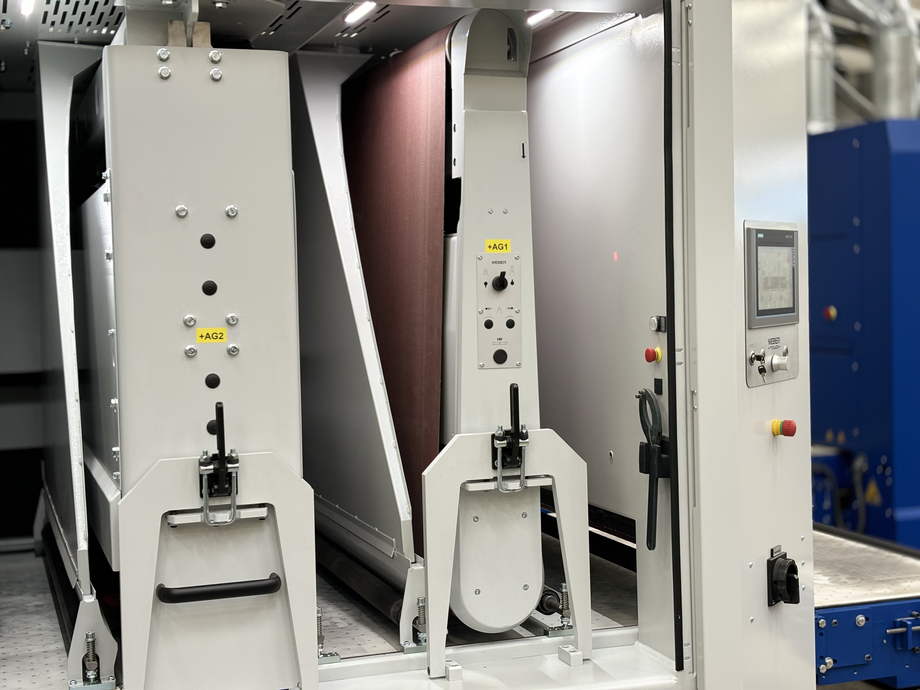
The contact roller plays a key role in deburring, particularly for removing primary burrs and achieving a consistent surface finish. It is especially effective for pre-grinding, efficiently removing heavy burrs and even thick, melted laser spatter.
Precise control and positioning allow the sanding pressure to be adjusted to suit different workpieces and processing requirements. The abrasive belt is pressed against the material by the contact roller, ensuring controlled and uniform material removal.
Some facts about the contact roller:
- The abrasive is pressed onto the material surface by the contact roller.
- Various rubber-coated contact rollers are used for metal grinding.
- Rubber hardness ranges from 25 Shore to 60° Shore.
- Contact rollers are available in diameters from Ø135 mm to Ø450 mm.
- The maximum engagement length is only a few millimeters (line contact).
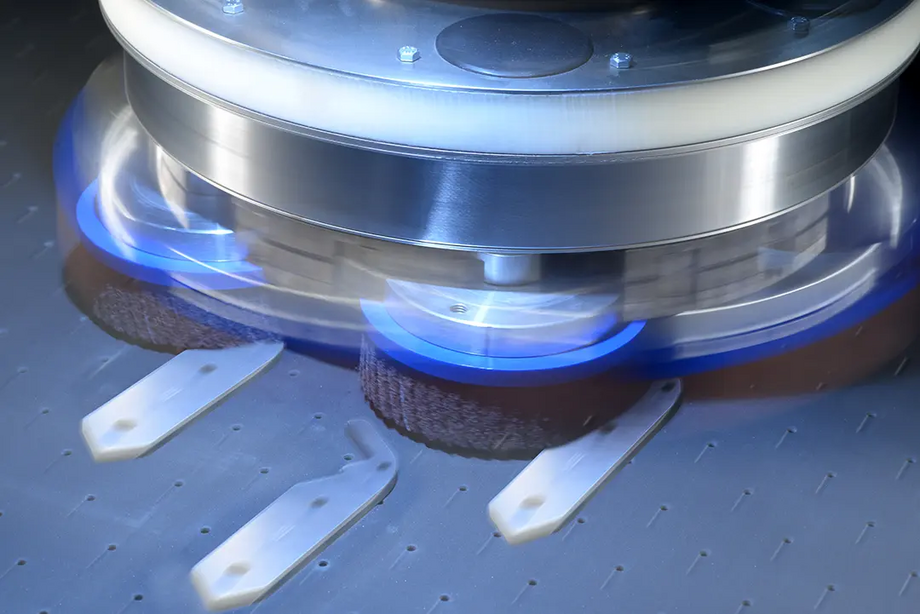
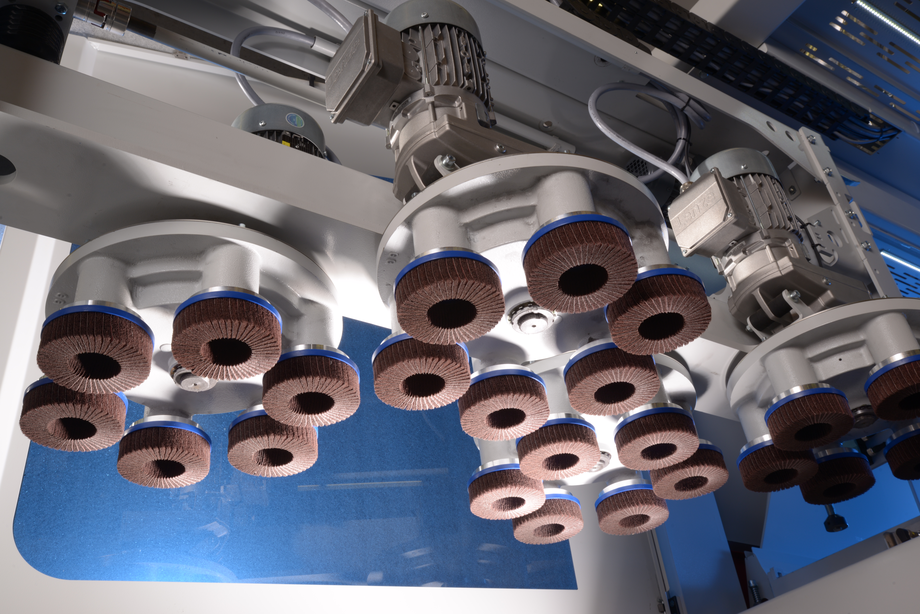
The WEBER planetary head system delivers precise and consistent edge rounding on both inner and outer contours. Its dual rotary movement ensures that the brushes work at the optimum angle to the workpiece, producing uniform and gentle edge rounding.
The patented WEBER solution allows adjacent planetary heads to overlap during processing, eliminating unprocessed areas and ensuring consistent results across the entire workpiece.
The system is available in two configurations: a high-performance version with six tools per head arranged in two rows, and a compact version with two tools per head in a single row.
Fully sealed and grease-filled planetary heads protect the components from dust and contamination, supporting long-lasting, low-maintenance operation. Automatic workpiece length measurement monitors tool wear and transfers the relevant data directly to the machine control.
The WEBER STC grinding bar delivers consistent deburring quality, high throughput, and low operating costs thanks to its long-lasting sanding belt. Its innovative design uses a lightly tensioned sanding belt that automatically adapts to the workpiece, enabling efficient deburring without creating secondary burrs.
A preceding contact roller performs the initial rough deburring, while the STC grinding bar precisely processes corners and edges. The flexible belt compensates for variations in material thickness, making the system particularly effective for small parts and repeated processing.
The result is reliable, burr-free processing with high tolerance compensation and consistent quality.
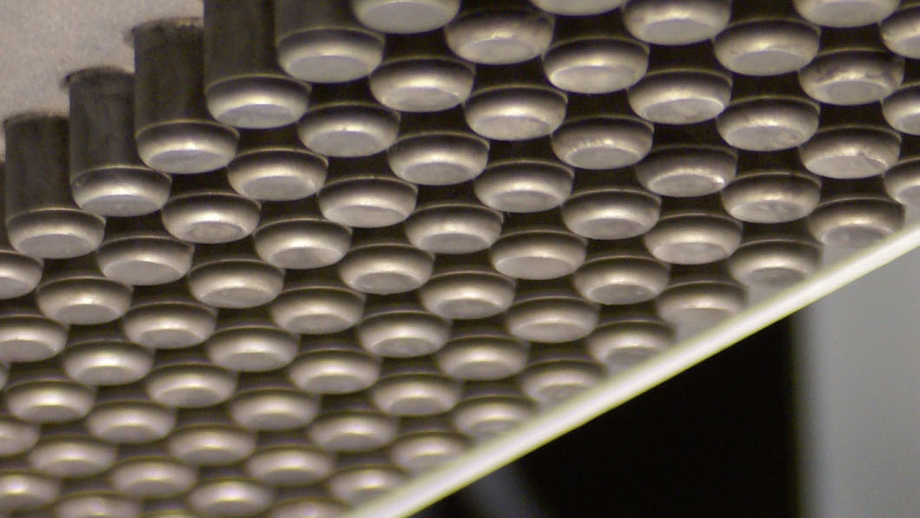
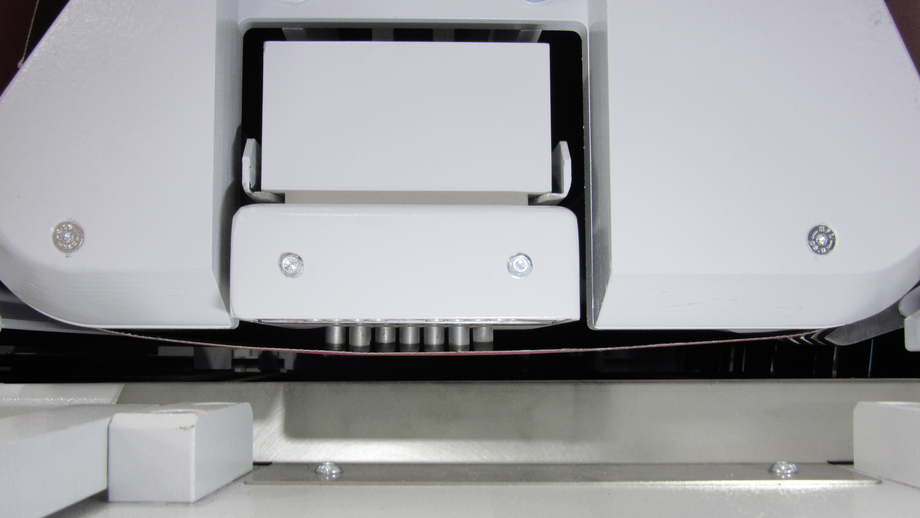
The WEBER MRB Multi-Rotation Brush is designed for thin and small workpieces up to 1 mm thick, making it ideal for foiled, galvanized, and formed sheet metal.
Rotating pairs of round brushes work on rotating tool carriers, creating an overlapping brushing pattern across the entire working width. This ensures consistent deburring and edge rounding of both transverse and longitudinal edges while gently adapting to workpiece deformations and protecting the surface.
With a plunge depth of more than 10 mm, the system can effectively process cut edges to create a smooth, comfortable, radius-like edge finish.
The MRB system is also compatible with brushes from different manufacturers, providing maximum flexibility when selecting the right tools for your application.
Discover deburring machines

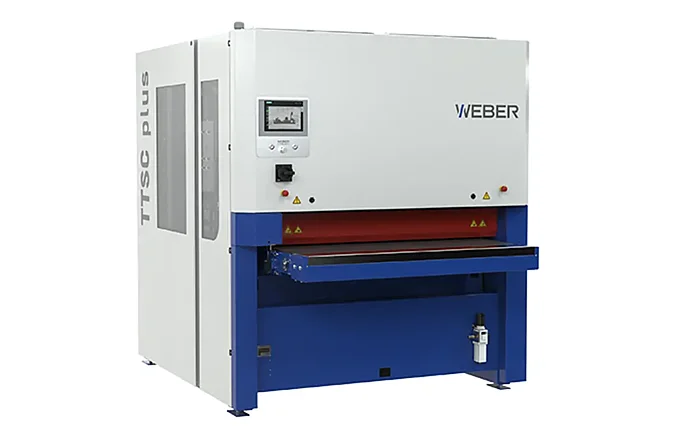
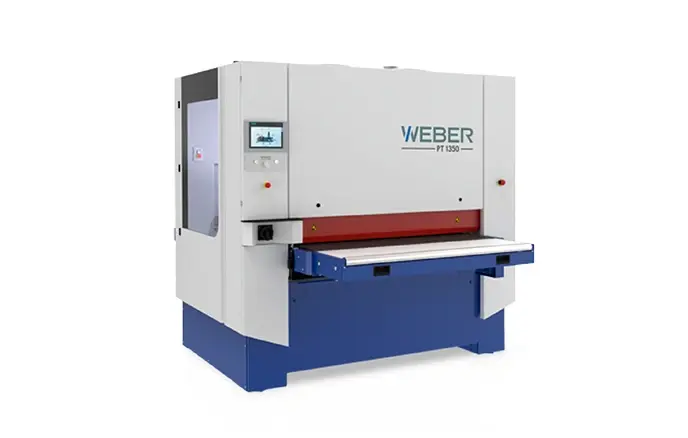
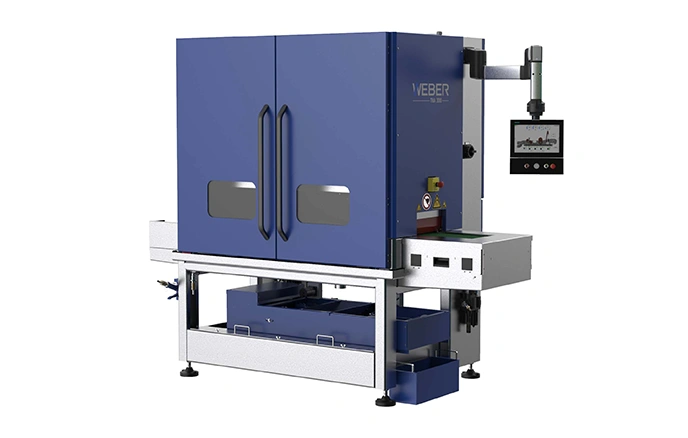
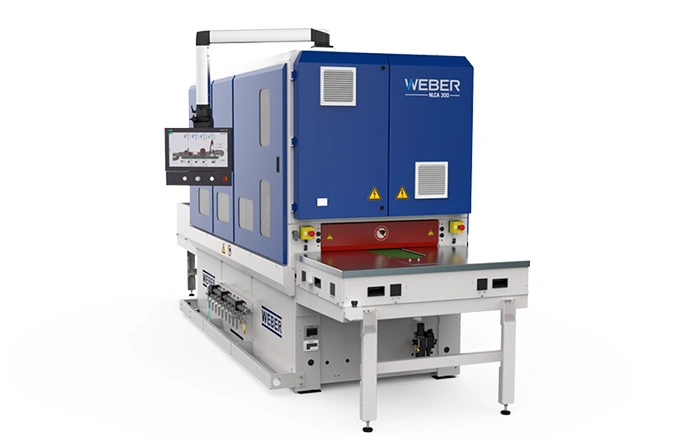
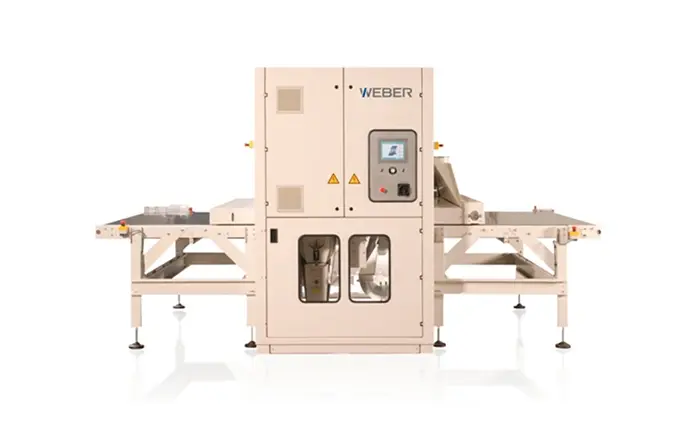
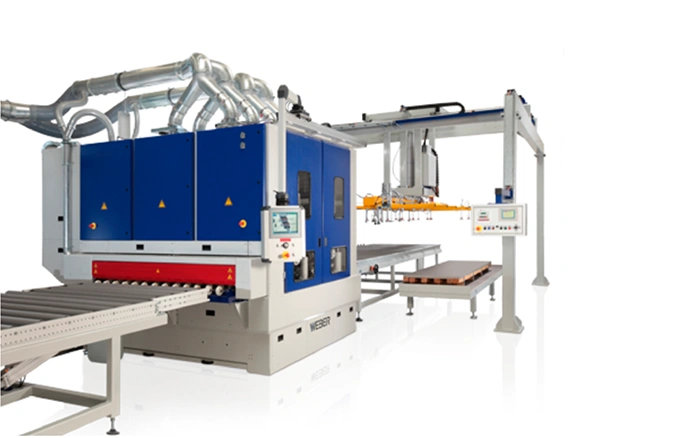
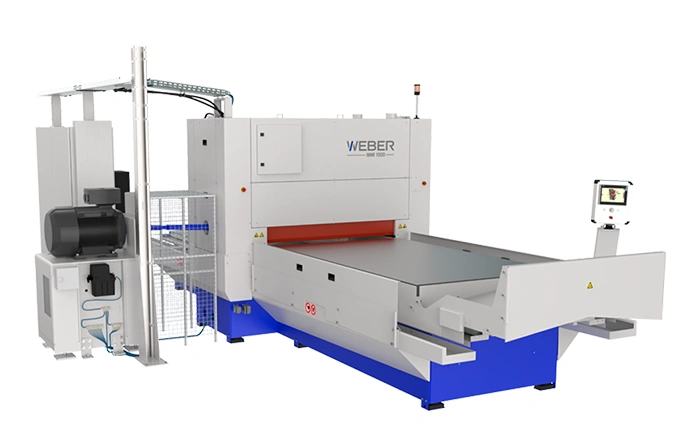

Practice-oriented deburring technology for materials with any challenge, regardless of material thickness and width.
WEBER deburring machines are designed to handle a wide range of metalworking requirements – from thin sheet metal to heavy plate, and from small components to large-format workpieces. Whether processing ferrous or non-ferrous metals, WEBER offers a suitable solution for your application.
For thin sheet metal with tight thickness tolerances, our proven deburring technologies reliably process punched, laser-cut, and coated parts. Even stubborn laser slag and spatter can be efficiently removed.
For heavy plate with greater thickness variations and material distortion, WEBER machines provide robust and reliable processing. They effectively remove heavy slag, burrs, and material residues from cutting edges – even on demanding, large-format workpieces.
Mass-produced stamped parts often have sharp edges and punching burrs that must be removed for safe handling, assembly, and further processing. The size and strength of the burr can vary depending on the material and punching process.
For parts with minimal burrs and limited edge rounding requirements, the WEBER planetary head system can provide an efficient solution. For more pronounced burrs, combining multiple deburring systems allows for reliable and consistent processing.
Depending on the production process, emulsions or oils may be used to reduce friction, improve surface quality, and extend tool life. Integrated cleaning systems can remove lubricant residues and metal particles, helping to maintain consistent part quality and support reliable machine operation.
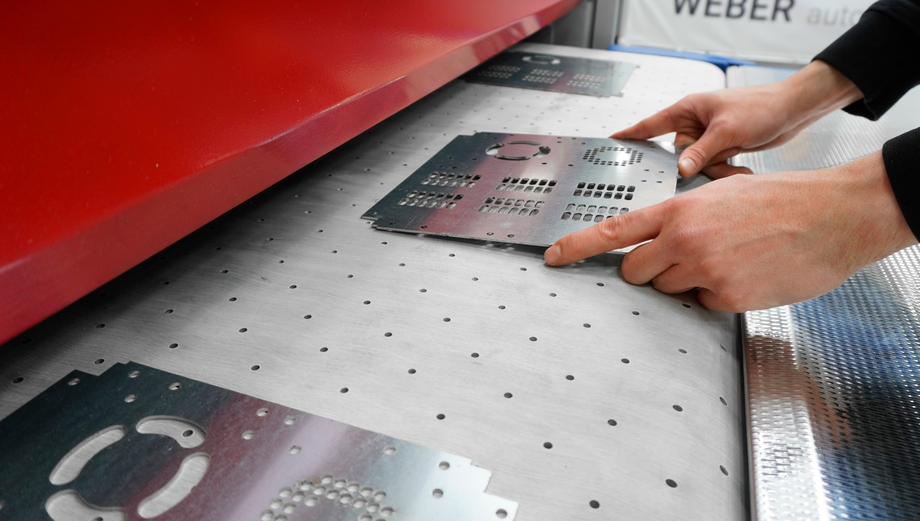
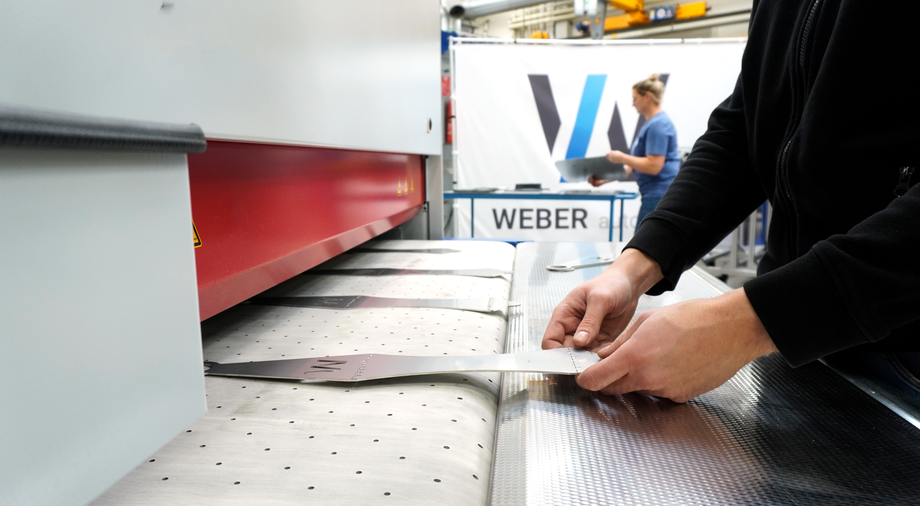
WEBER provides customized deburring solutions for flame- and plasma-cut parts, whether for individual production or high-volume series manufacturing.
Depending on the workpiece requirements and tolerances, our systems can be configured as single- or multi-stage processes. The STC grinding bar enables precise processing while compensating for variations in workpiece thickness and removing sharp edges and irregularities.
For applications requiring greater edge breaking or rounding, additional cup brushes or round brushes can be integrated. This combination ensures consistent edge quality and reliable surface finishing across a wide range of parts.
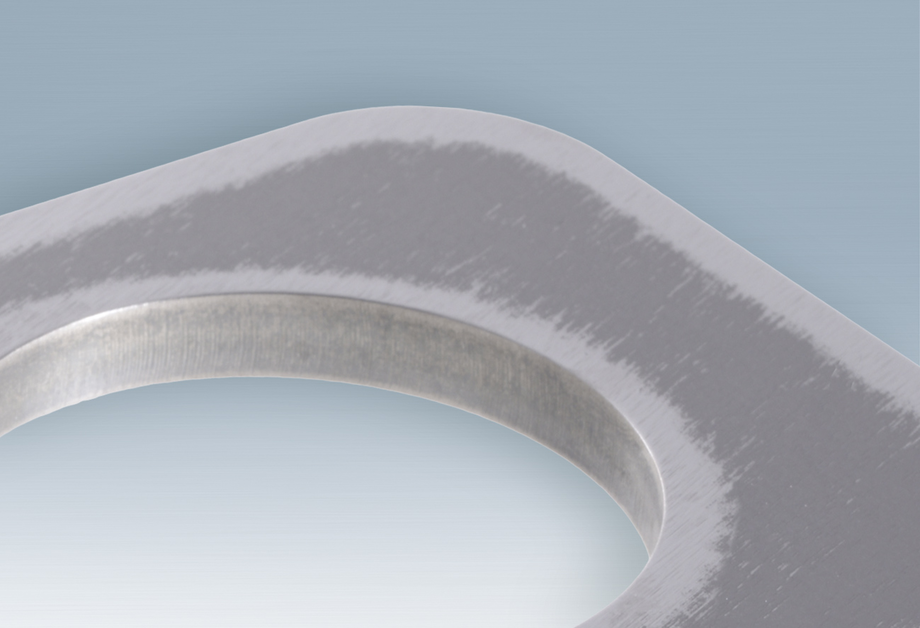
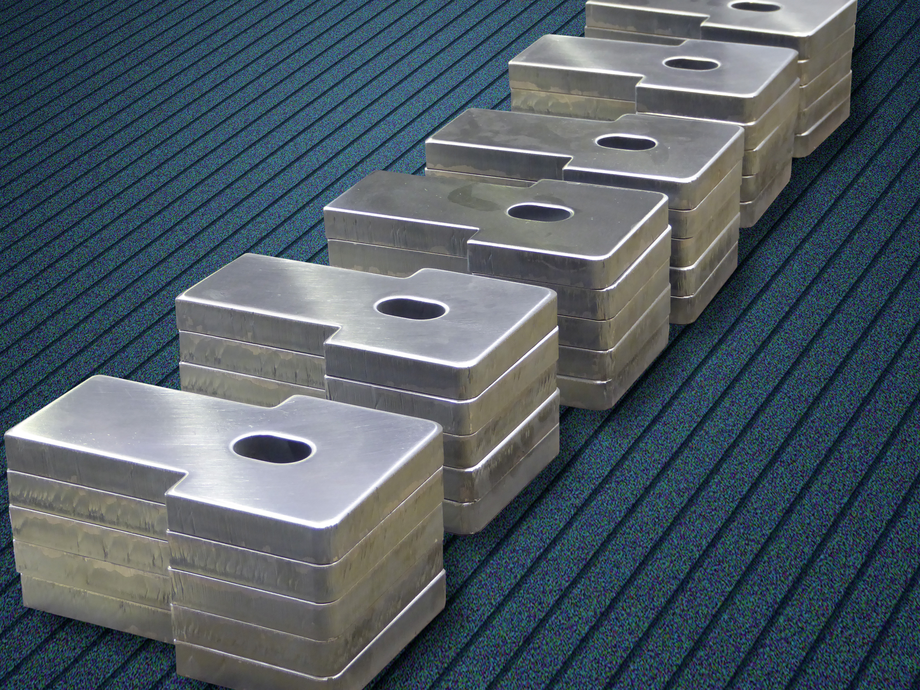
Deburring very thin, laminated, or coated sheet metal – especially parts with cutouts – requires precise and gentle processing. The WEBER Multi-Rotation Brush (MRB) system provides an effective solution for these demanding applications.
Rotating brushes ensure consistent deburring and edge treatment, even around complex contours and cutouts, while helping to protect sensitive coatings and films. The system can also process cut edges and remove scale on material thicknesses of up to 20 mm.
Its flexible design makes the MRB system suitable for a wide range of materials and sheet thicknesses, from thin foils to coated and laminated sheet metal.
Laser-cut parts typically require a multi-stage deburring process to achieve consistent edge quality and surface results. The first stage uses contact roller grinding to efficiently remove laser spatter and clean the workpiece surface.
Edge processing is then performed with the WEBER WPS brush system. It rounds the edges consistently while removing scale from the cut surfaces. Depending on the material and desired edge radius, different brush configurations can be selected. Cup brushes provide more aggressive processing and greater edge rounding, while round brushes offer gentler treatment and finer edge breaking.
WEBER planetary head technology, available in single- and double-row configurations, provides extensive tool coverage for uniform edge rounding across the entire workpiece.
For applications requiring an enhanced surface finish, an additional contact roller can be integrated as a final processing stage.
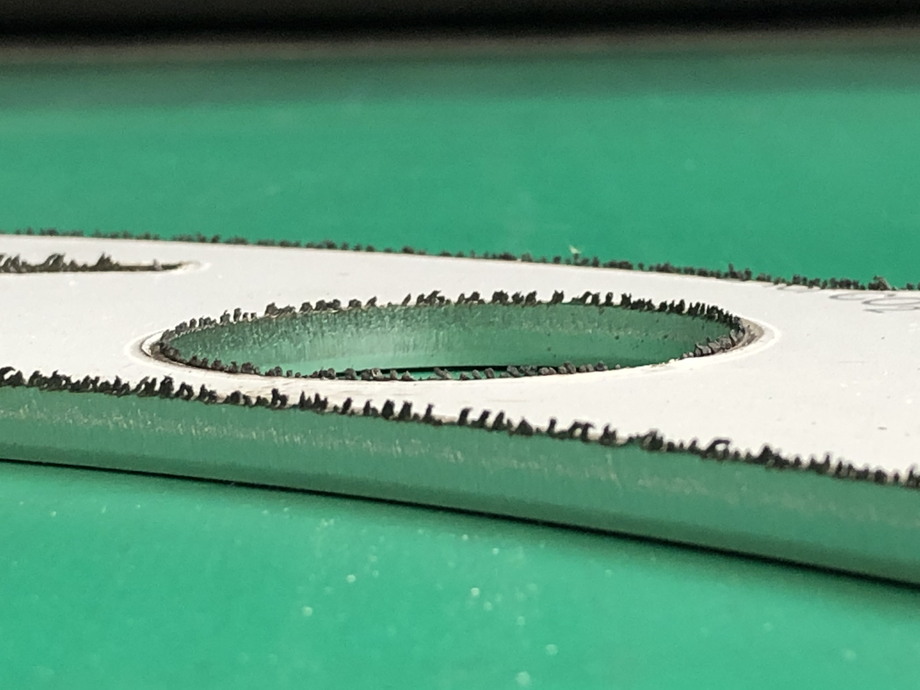
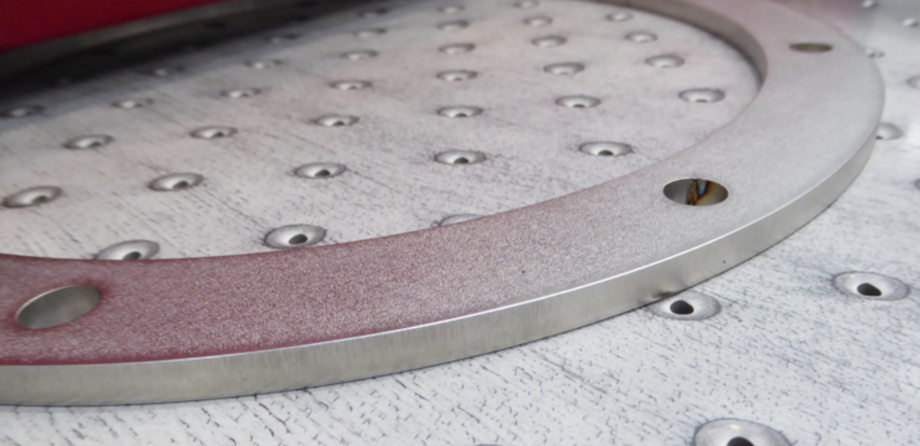
Stamped parts can often be deburred efficiently in a single processing step, saving time and resources. However, parts with cutouts can present a challenge, as conventional contact rollers may not reach all areas effectively.
WEBER brush systems provide a flexible alternative, enabling gentle and consistent deburring around cutouts and complex contours.
The condition of the workpiece surface is also important. For parts with heavy oil or lubricant residues, wet grinding with emulsion can combine effective cleaning with reliable deburring for consistent processing results.
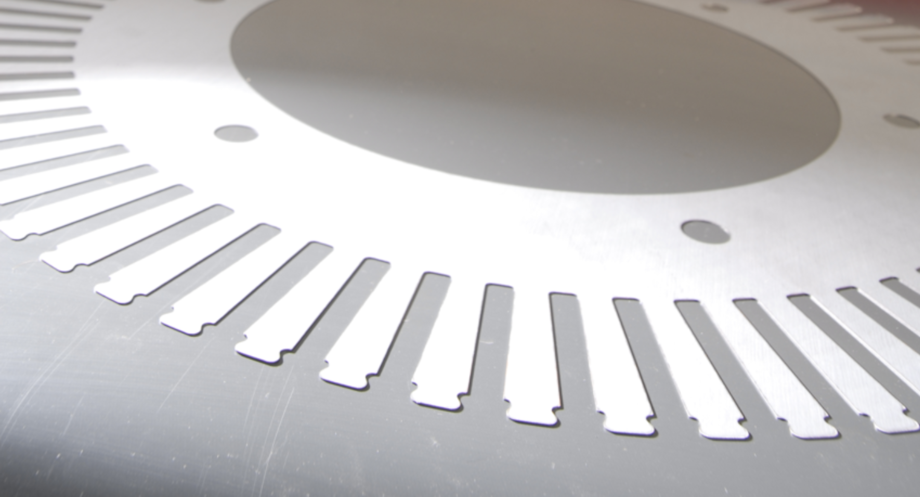
Deburring rotor and stator laminations is a critical step in the production of electric motors. With sheet thicknesses starting at just 0.35 mm and often featuring an insulating coating, the process requires highly precise and controlled processing.
The main challenge is removing punching burrs without damaging the sensitive insulating layer. WEBER deburring technology enables gentle and consistent processing to maintain the quality and functionality of the laminations.
Automated, continuous processing ensures reliable results and high production efficiency. Processing the underside of the laminations also provides optimal access to the burrs, supporting precise and consistent deburring throughout the process.
FAQ
Questions about deburring
Deburring removes sharp edges, burrs, and material residues created during cutting, punching, machining, and other manufacturing processes. It improves safety, facilitates further processing and assembly, and helps prevent friction, wear, and premature component failure.
WEBER deburring machines are suitable for a wide range of ferrous and non-ferrous metals, including steel, stainless steel, aluminum, copper, galvanized sheet metal, and coated materials.
Machine deburring offers higher efficiency, consistent results, and greater precision than manual processing. It also reduces manual labor and improves operator safety while enabling fast and reliable processing of large production volumes.
Key factors include the material, size, and geometry of the workpieces, the type and size of burrs, the desired edge and surface quality, required production volume, and processing speed. Available production space and operating and maintenance costs should also be considered to ensure the machine meets your specific requirements.
Contact, Opening Hours, Locations
Solutions for the future - Contact us
Kontakt