Solid wood processing
solid wood processing
with WEBER sanding machines
Das Wichtigste
Processing solid wood with WEBER sanding machines
Solid wood requires precise and reliable sanding technology to achieve consistent surface quality while preserving the natural character of the material.
WEBER sanding machines are designed to handle the demanding requirements of solid wood processing. Advanced sanding technologies enable efficient and controlled surface finishing across a wide range of solid wood applications.
With decades of experience in wood processing, WEBER provides customized solutions for high-quality and consistent results.
Innovative WEBER technology
Processing solid wood requires precise sanding technology to achieve a consistent surface while preserving the natural structure of the material.
WEBER sanding machines use advanced technologies such as segmented pressure beams and oscillating sanding units to precisely control sanding pressure and adapt to different surface conditions. Intelligent control systems enable accurate processing parameters, efficient operation, and minimal material removal.
Discover our solutions for high-quality solid wood sanding:
The WEBER ISD Link Pressure Beam ensures precise and consistent sanding pressure across the entire workpiece, making it particularly suitable for demanding solid wood applications.
Freely movable pressure elements connected to the sanding lamella automatically distribute pressure evenly across longitudinal and transverse edges. This prevents excessive pressure at the edges and protects the workpiece from unwanted edge damage.
The adjustable spacing between the pressure elements enables a fine grid pattern for precise edge processing. The robust design eliminates the need for additional guides, supporting reliable, low-maintenance operation.
Different areas can also be processed with individually adjusted sanding pressure, allowing the system to adapt precisely to the requirements of each application.


The patented WEBER R2 and R6 planetary head systems deliver consistent, high-quality surface finishing in solid wood processing, regardless of grain direction or workpiece geometry.
The sanding heads combine multiple rotary movements to process the wood fibers evenly in different directions. This minimizes surface irregularities and creates a smooth, uniform finish.
The planetary head system also supports efficient edge processing, helping to achieve clean edges and a professional overall surface quality.
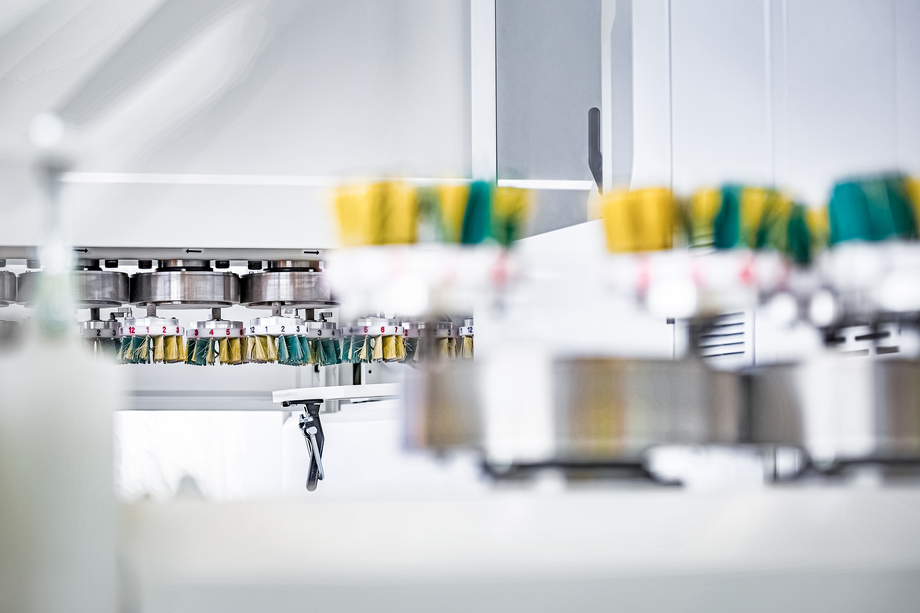
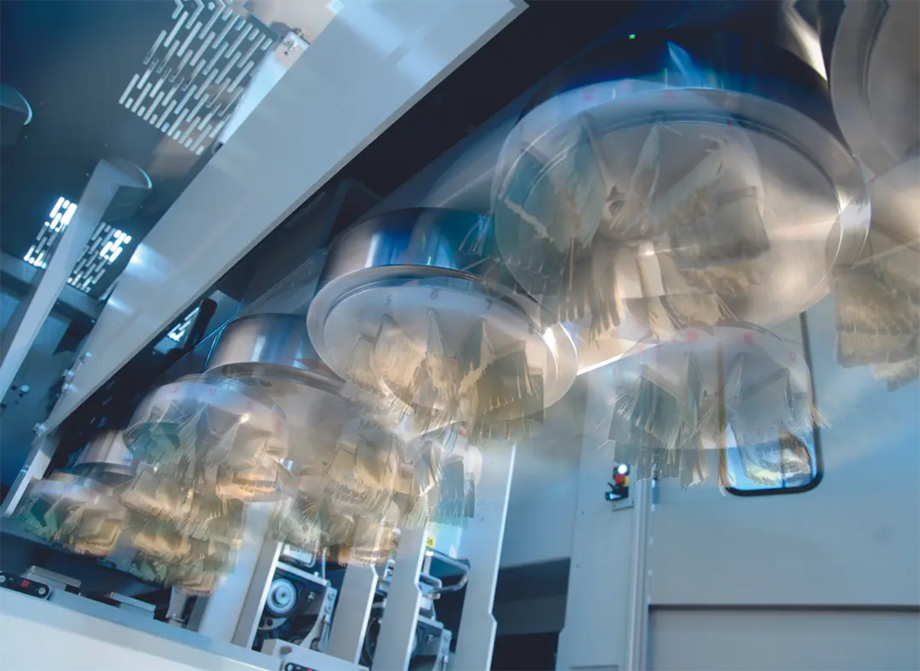
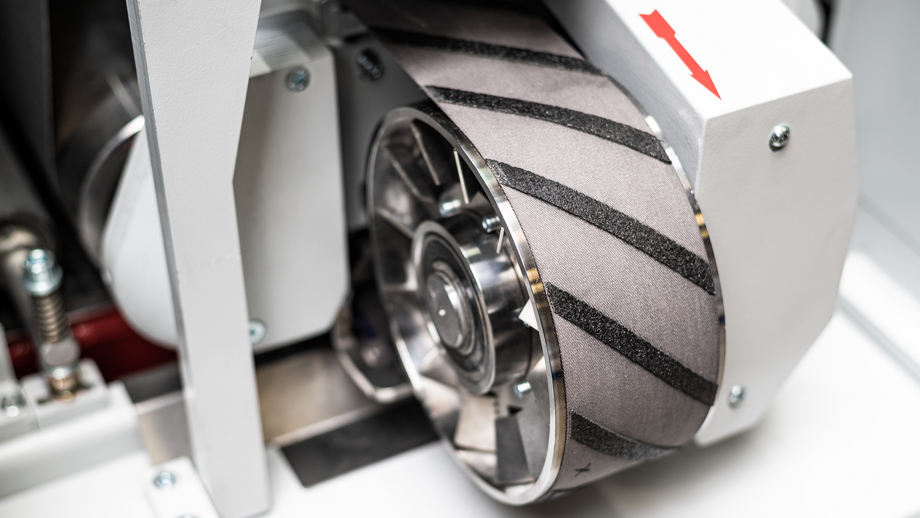
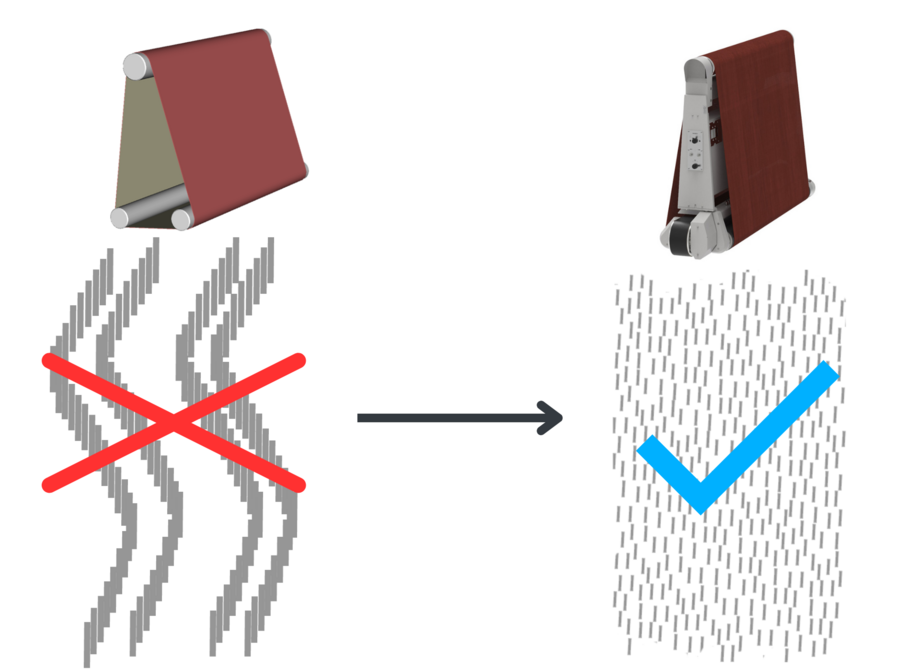
The WEBER CBF (Cross Belt Finishing) system delivers precise and consistent surface finishing for solid wood. Its cross-running sanding belts work perpendicular to the feed direction, evening out fine surface irregularities while minimizing visible sanding marks.
Uniform sanding pressure ensures consistent results across different wood types and grain directions. The CBF system can also remove surface imperfections such as pressure marks, scratches, and torn fibers, creating an ideal surface for subsequent coatings and finishes.
CBF technology is suitable for high-quality visible surfaces in furniture and interior applications as well as demanding industrial applications, including parquet and solid wood components.
Discover our machines
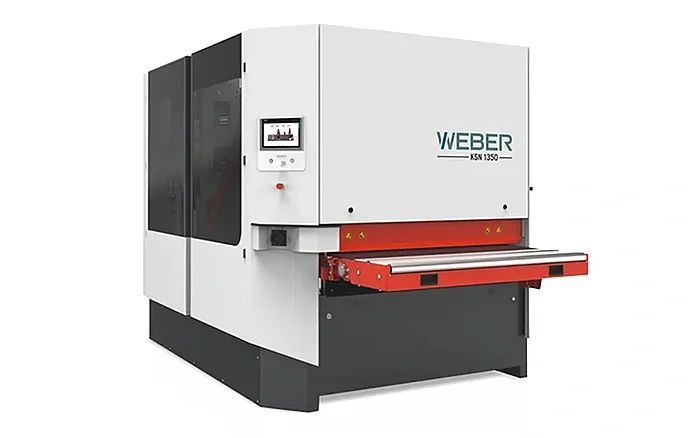

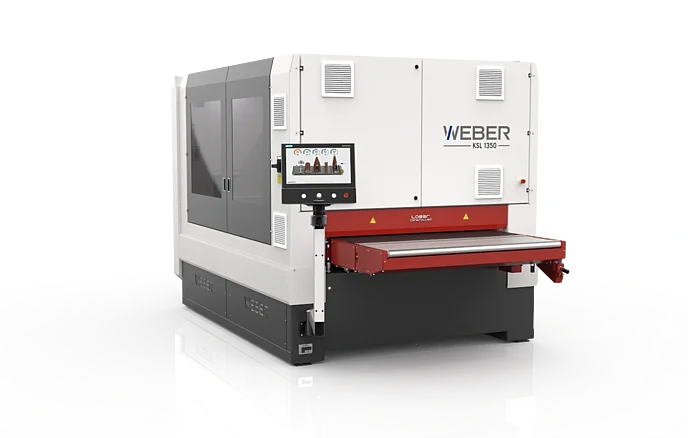
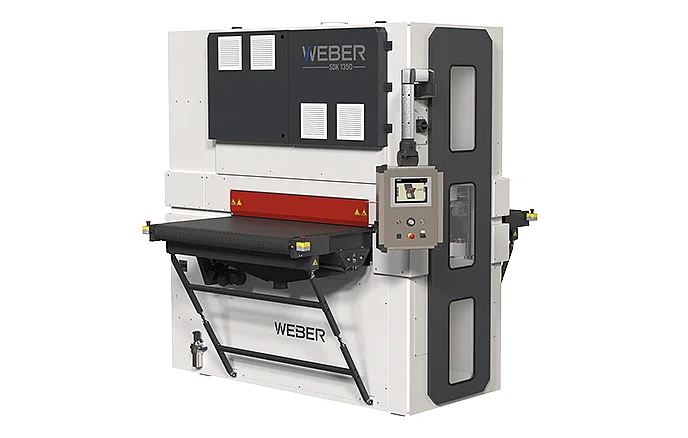


The art of sanding: How WEBER sanding machines perfect the processing of solid wood
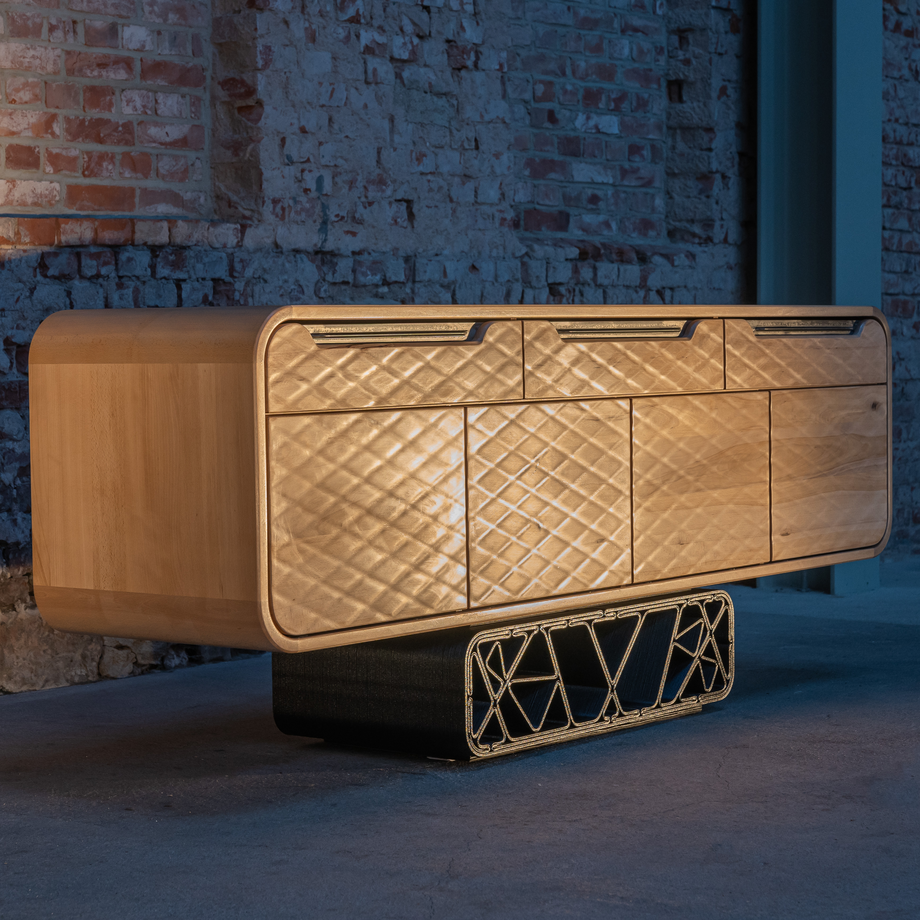
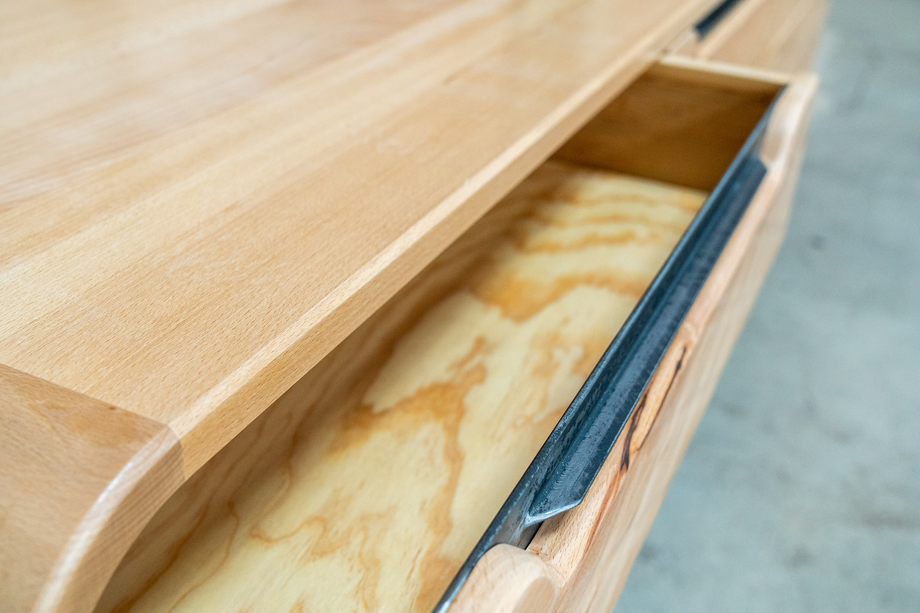
Solid wood combines natural beauty, durability, and versatility, making it a popular choice for furniture, interior design, and architectural applications. Achieving a high-quality surface requires more than simply smoothing the material – the natural character and structure of the wood must also be preserved.
WEBER sanding machines are designed for precise and efficient solid wood processing. Powerful sanding units remove surface irregularities and imperfections, while fine sanding technologies refine the surface to achieve the desired finish.
Adjustable sanding parameters allow the process to be tailored to different wood types and applications. Advanced sensor technology continuously monitors the sanding process, supporting consistent results and reliable production quality.
FAQ
Questions about solid wood
Solid wood is wood made from natural timber rather than wood fibers, chips, or veneers. It retains the material’s natural grain, character, and appearance, making every piece unique. Solid wood is widely used for furniture, flooring, joinery, and architectural applications.
Solid wood offers a unique natural appearance, with individual grain and color variations that make every piece distinctive. It is also durable and robust, making it suitable for demanding applications. In interior environments, solid wood can help regulate humidity and contribute to a comfortable indoor climate.
A wide range of solid wood species can be used depending on the application and desired appearance:
Oak: Popular for furniture, flooring, doors, and interior applications.
Beech: Durable and commonly used for furniture, parquet flooring, and other demanding applications.
Maple: Light-colored wood used for furniture, panels, and interior applications.
Walnut: Valued for its distinctive dark appearance and used for high-quality furniture, paneling, and decorative applications.
Many other solid wood species are available, each offering different properties, grain patterns, colors, and processing characteristics.
Simple sanding belt changing systems: WEBER has developed sanding belt changing systems that make changing sanding belts quick and easy. This saves time and reduces downtime, as the machines require less time for maintenance and set-up procedures.
Dust extraction systems: Dust extraction is an important aspect when sanding solid wood, as wood dust can be harmful to health and can affect the surface quality. WEBER integrates efficient dust extraction systems into its sanding machines to ensure a clean working environment and protect the health of operators.
Intelligent controls: WEBER uses advanced control systems in its sanding machines that allow operators to precisely set and adjust processing parameters.
Contact, Opening Hours, Locations
Solutions for the future - Contact us
Kontakt