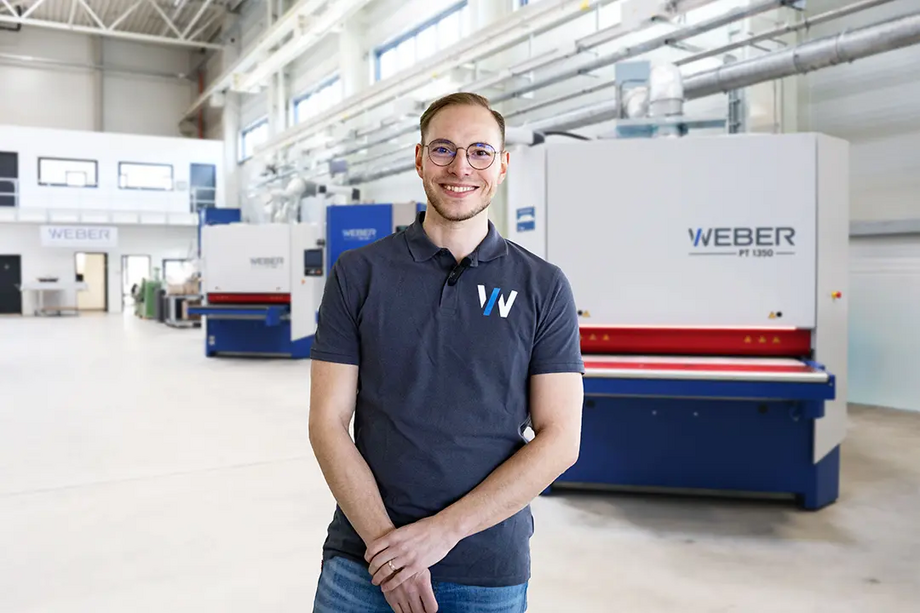
Finish grinding of metal surfaces
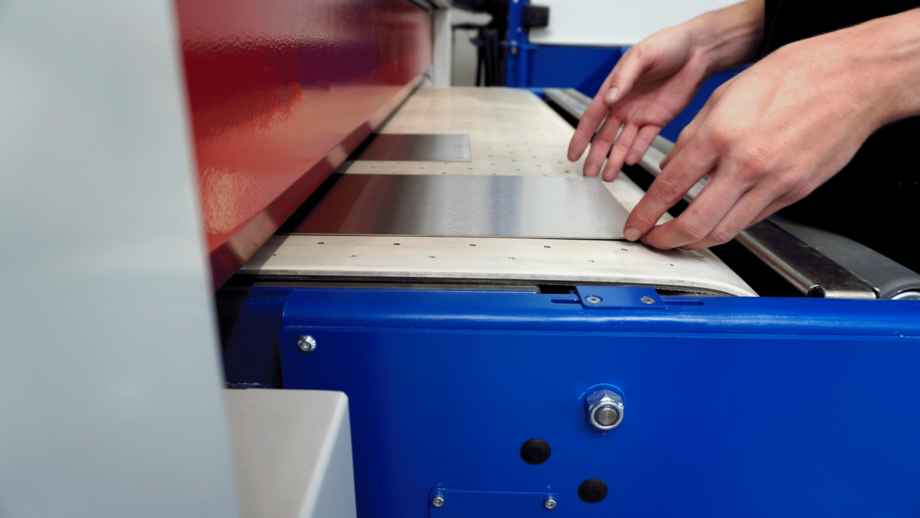
Consistent Surface Finishes in Proven
WEBER Quality
Das Wichtigste
Polished Surfaces for Exceptional Results
A high-quality surface finish gives metal a smooth, flawless appearance while supporting its overall quality and performance. Finish grinding removes fine irregularities, scratches, and residues to create a consistent surface that meets both aesthetic and functional requirements.
With decades of experience in metal processing, WEBER combines advanced technology with precision engineering to deliver outstanding surface finishes for demanding applications.
WEBER technology
At WEBER, we understand that every application has specific surface finish requirements. Different sanding units, including contact roller and CBF units, can create a range of surface structures and roughness levels.
This flexibility allows manufacturers to achieve precise, consistent surface finishes tailored to their individual requirements.
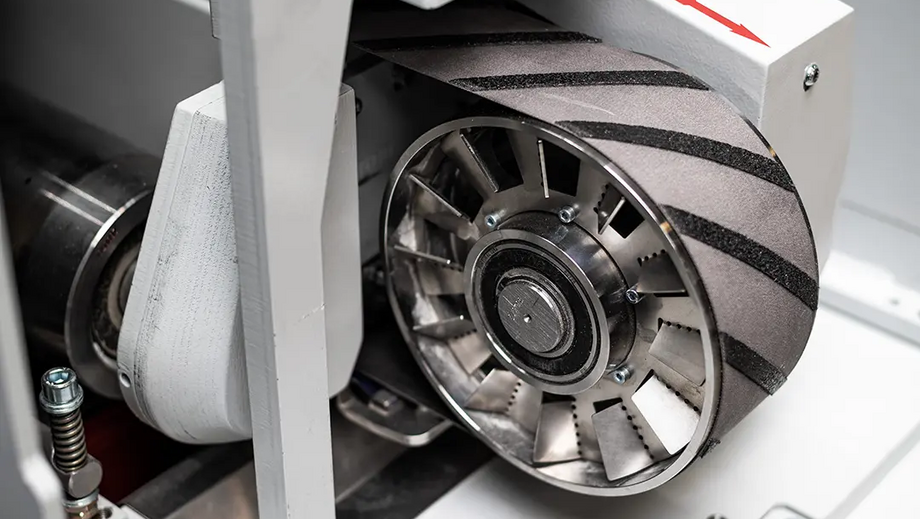
Contact roller sanding provides efficient and consistent surface finishing, particularly for large metal surfaces. The continuous contact helps level surface irregularities and create a uniform finish, while the controlled abrasive arrangement minimizes unwanted scratches and grooves.
Different abrasive materials and grit sizes allow the surface finish to be precisely tailored to the application. Fine grits create smooth, refined surfaces with a shallow roughness depth, while coarser grits can produce more pronounced textures and surface structures.
This flexibility makes contact roller sanding suitable for a wide range of applications, from high-quality decorative surfaces to demanding industrial components.
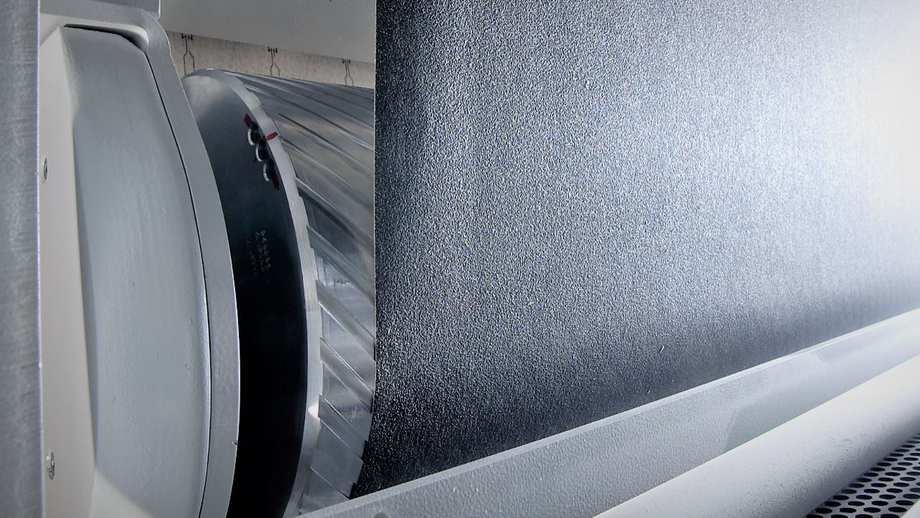
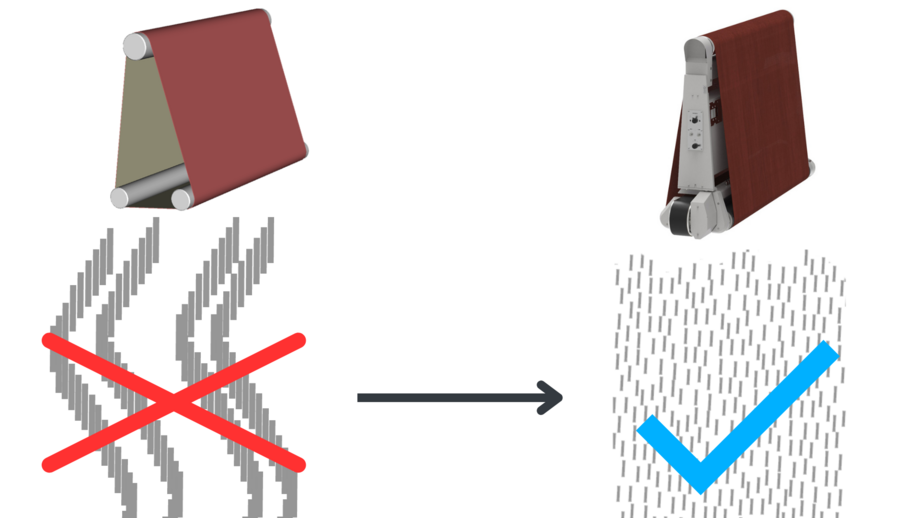
The patented WEBER CBF system delivers precise and flexible surface finishing through an innovative segmented sanding beam. By pressing the sanding belt against the workpiece, the system allows different sanding patterns to be created with easily adjustable stroke lengths.
CBF technology adapts to a wide range of applications and material thicknesses while providing consistent surface quality. Its efficient sanding process also offers long belt life and low heat generation, helping to protect the workpiece and maintain dimensional accuracy.
Key Benefits
- Flexible adjustment of sanding patterns
- Suitable for different material thicknesses
- Long sanding belt life
- Low material heating
- Consistent, high-quality surface finishes
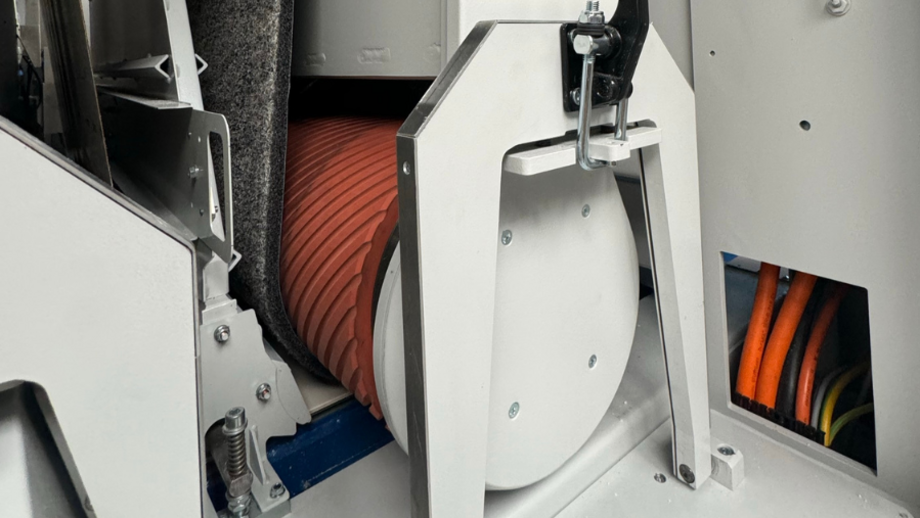
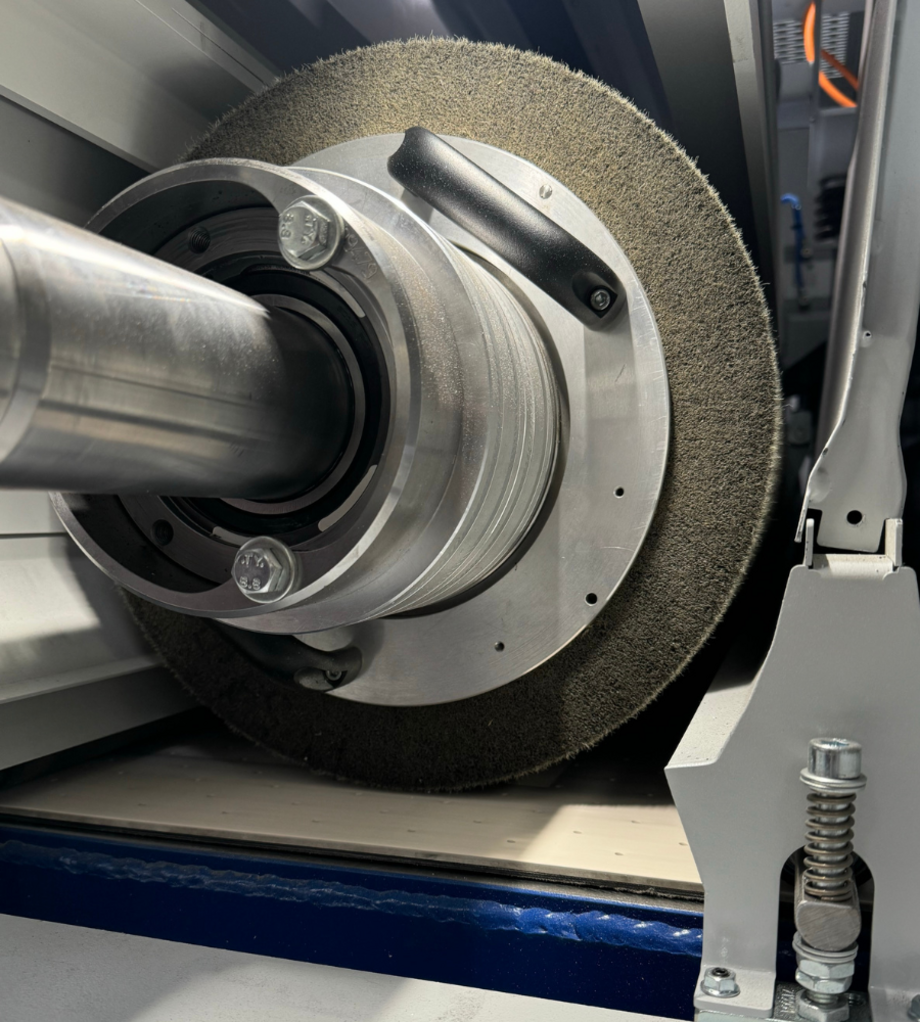
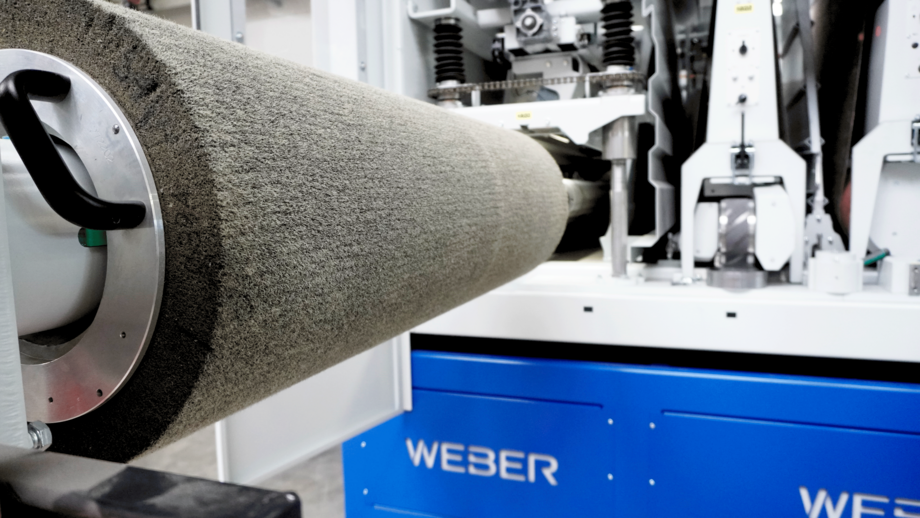
WEBER fleece roller technology provides a consistent, high-quality brushed finish. The abrasive fleece gently removes fine surface imperfections while creating a uniform and aesthetically appealing surface structure.
The process effectively reduces small scratches and creates a smooth, refined finish with the characteristic brushed appearance – ideal for applications where both surface quality and visual appeal are important.
Discover our machines:


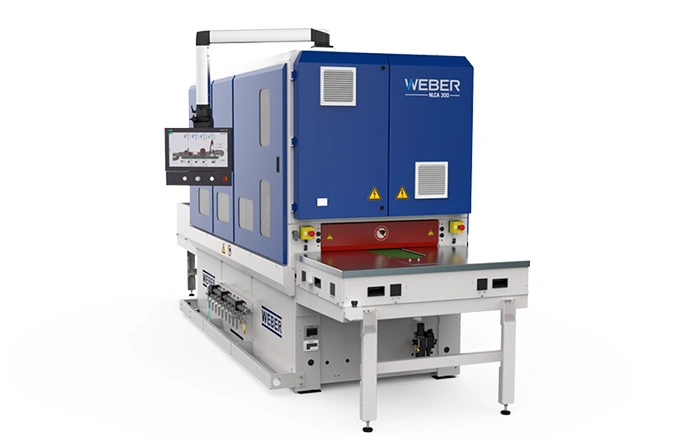
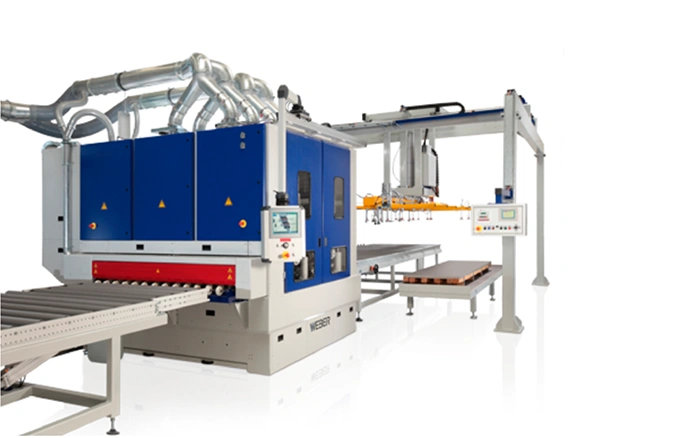

Line-finish and satin-finish
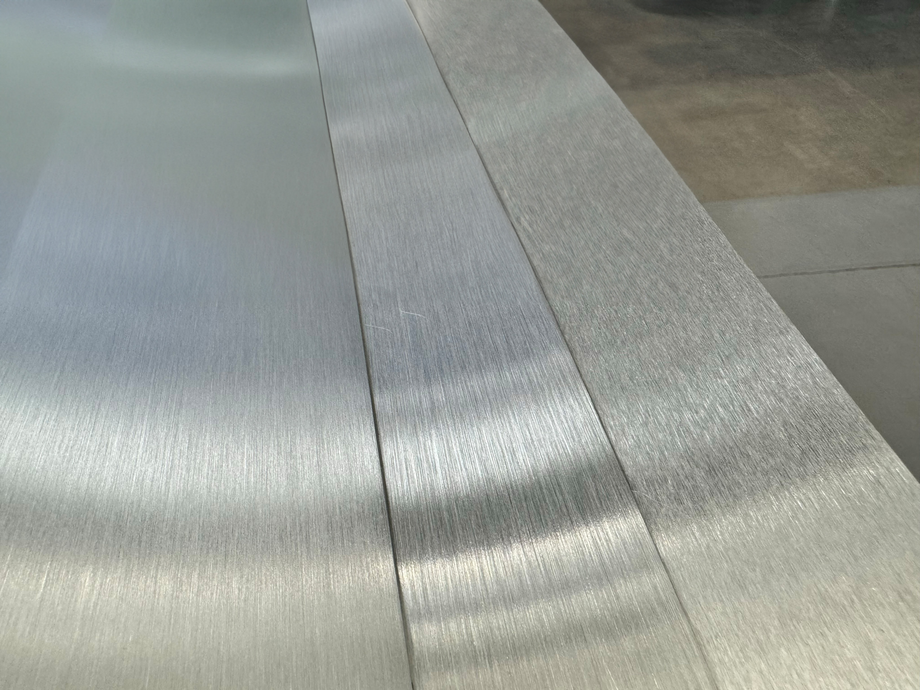
In metalworking, achieving the right surface finish is just as important as precise workpiece processing. Finish sanding removes scratches and surface imperfections while creating a consistent, high-quality appearance.
WEBER technology enables different surface finishes to meet specific application requirements. A line finish creates fine, uniform parallel lines for a modern and refined appearance, while a satin finish produces a smooth, matte surface that helps reduce the visibility of fingerprints and minor scratches.
Both finishes combine aesthetics and functionality for demanding metalworking applications.
FAQ about finish sanding
Finish sanding is the final surface treatment of a workpiece, used to remove fine scratches and imperfections while creating a smooth, consistent, and visually appealing finish. Depending on the application, different sanding techniques can be used to achieve the desired surface texture and level of smoothness.
- Line finish: An even, line-like surface is created on the surface of the workpiece
- Satin finish: non-woven belts or rollers create an even, matt structure
- Non-directional finish: a uniform, diffuse sanding pattern is created by eccentric sanding or special lamella arrangements on deburring rollers.
Finish sanding is typically used as the final step after processes such as deburring and rough machining. It is ideal when a workpiece requires a high-quality surface finish, precise results, and an attractive appearance.
- Improved surface quality: Finish sanding removes scratches and irregularities to create a smooth, consistent, and visually appealing surface.
- Increased longevity: Smooth, refined surfaces can help reduce wear and improve the long-term durability of workpieces.
- Functional improvements: A high-quality surface finish can reduce friction between contacting or moving components and support reliable performance.
- Higher efficiency and productivity: WEBER sanding technology enables efficient processing, helping manufacturers achieve consistent results while increasing productivity and reducing processing costs.
Contact, Opening Hours, Locations
Solutions for the future - Contact us
Kontakt